



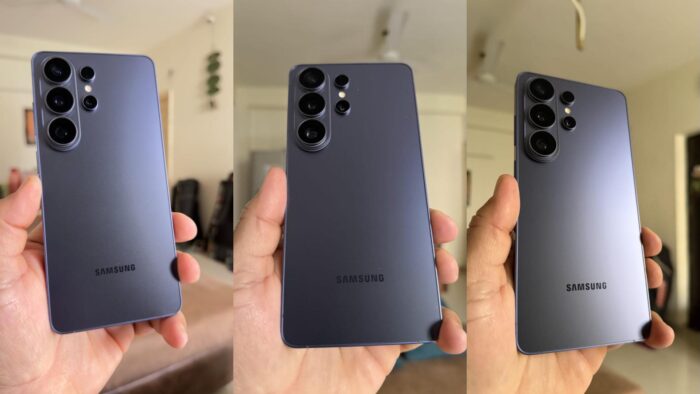
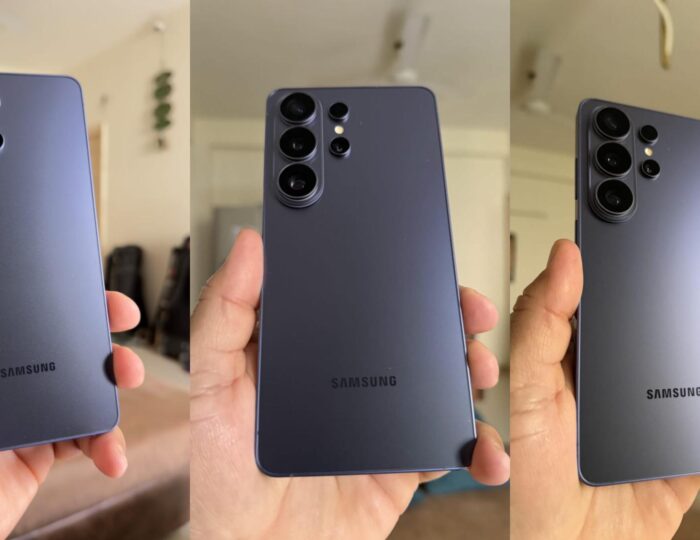
The Samsung Galaxy S26 Ultra is no longer chasing specs; it’s chasing experiences. In 2026, we are seeing a clear transition from hardware-first engineering to experience-led AI integration. While the device maintains its position as the premier all-rounder, the technical trade-offs required to achieve its new form factor and AI capabilities suggest a brand at a crossroads between mass-market utility and Ultra enthusiast expectations.
1. Hardware Strategy & Design Compromises
Samsung has prioritised ergonomics and aesthetics over raw durability materials this cycle.
- The Aluminium Reversion: Moving back to an aluminium frame from titanium is a curious regression in premium positioning. While it facilitates a thinner 7.9 mm profile, compared to 8.2 mm to its predecessor (S25 Ultra).
- Ergonomics vs. Utility: The shift to rounded corners improves hand-feel, addressing a long-standing complaint, but the resulting camera plateau and the single-orientation S Pen slot suggest that internal spatial management is reaching a breaking point.
2. Techarc Unboxing Score
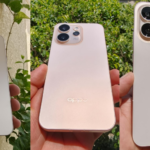
Images are representative
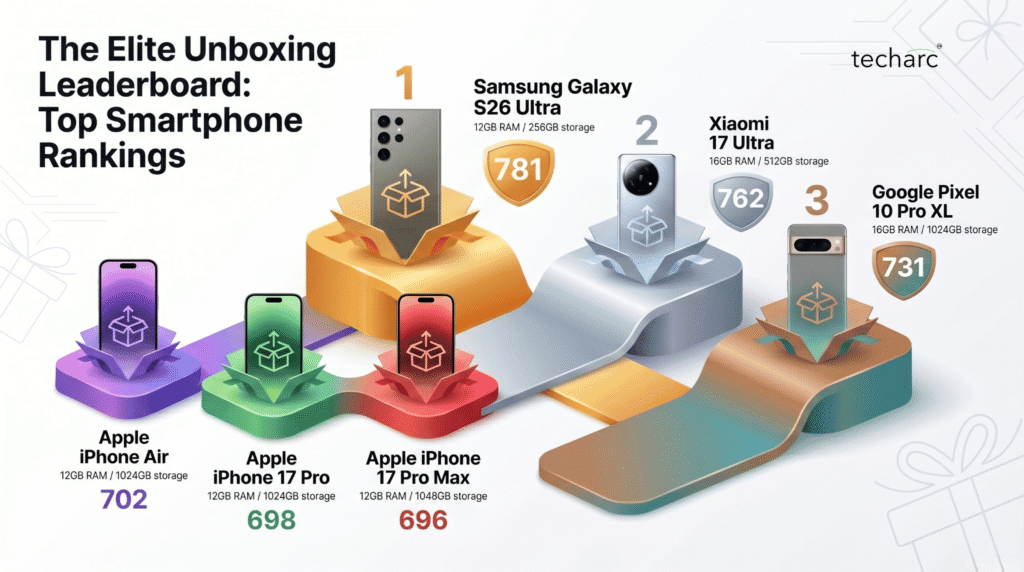
The Samsung S26 Ultra scored an impressive 781 points in the Techarc Unboxing Score, outperforming all other devices in the elite segment priced above ₹1.15 lakh. This highlights its leadership position in the elite tier, driven by strong performance across all key areas: camera, software, durability, and display.
The Xiaomi 17 Ultra secured second place with a score of 762, followed by the Google Pixel 10 Pro XL in third with 731 points.
Among Apple devices, the iPhone Air scored 702, while the iPhone 17 Pro and iPhone 17 Pro Max followed with scores of 698 and 696, respectively.
3. Display Innovation: The Privacy vs. Performance Tax
The World’s First Privacy Display is the device’s hero feature, yet it serves as the primary example of hardware trade-offs.
- The Tech: By controlling individual screen pixels to restrict viewing angles, Samsung addresses a growing corporate and high-end consumer demand for data security.
- The Cost: When active, the reduction in resolution and peak brightness (due to turning off half the pixels) contradicts the Ultra branding. Furthermore, the interference with the anti-reflective coating, a standout feature of previous generations, is a net negative for outdoor visibility.
4. Performance & AI Integration
The S26 Ultra is effectively a showcase for the Snapdragon 8 Elite Gen 5 for Galaxy.
- AI-Centric Silicon: The faster NPU is critical for Now Nudge and Now Brief (predictive, context-aware suggestions). This marks a shift from reactive AI (Circle to Search) to proactive AI that anticipates user needs.
- Software Maturity: The integration of Perplexity AI into Bixby and the 7-year update commitment remain Samsung’s strongest moats. The Finder universal search and auto-sorting for screenshots are high-utility productivity wins.
- Missing Ultra Foundations: The absence of Qi2 magnets and silicon-carbon battery technology (now standard in several Chinese flagship competitors) is a glaring omission for a device above 1 lakh in 2026.
5. Camera Performance
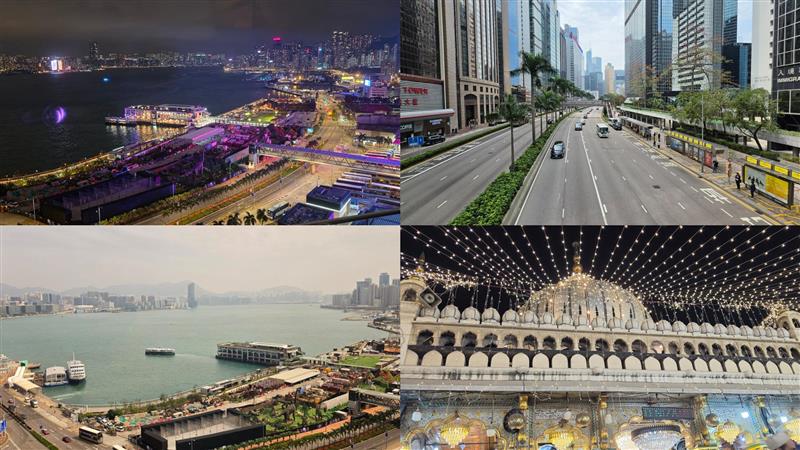
Samples of Photographs clicked by Techarc Team
Samsung appears to be leaning on software refinement rather than sensor breakthroughs.
- Optics: Wider apertures improved the low-light Nightography, delivering the best-in-class night photography and videography.
- Video: Horizontal Lock and Super Steady enhancements bring the S26 Ultra close to action-cam-level stabilisation. For most professional scenarios, there’s no longer a need for bulky gear like a dedicated camera or gimbal; the S26 Ultra alone can deliver high-quality, stable results.
6. Battery
The Samsung Galaxy S26 Ultra delivers exceptional battery performance despite its 5000mAh capacity. Optimised for efficiency, it outperforms both its predecessor and key competitors in real-world usage. In our testing, it delivered over 9 hours of continuous gaming and more than 24 hours of video playback, making it one of the best-performing batteries in its class.
7. Recommendation
The Samsung Galaxy S26 Ultra is the safest buy in 2026 for users who value reliability, AI-driven productivity, and a polished ecosystem. Furthermore, based on our reviews of multiple devices, Samsung stands out as the only brand that gives users the confidence to spend over ₹1 lakh without hesitation, thanks to its exceptional build quality. The level of trust Samsung has built, and continues to deliver, is unmatched and truly remarkable.
8. Top Specifications
| Category | Specification | Key Note |
| Processor | Snapdragon 8 Elite Gen 5 for Galaxy | Includes a dedicated MPU for proactive AI (Now Nudge). |
| Display | 6.9-inch Dynamic LTPO AMOLED 2X | Features Hardware-level Privacy Mode (Flex Magic Pixel). |
| Brightness | 2,600 nits (Peak) | High outdoor visibility; slightly lower than some 2026 rivals. |
| Camera | 200 MP Main, 50 Ultra-Wide, 50 +10 Telephoto and 12 MP Selfie | Industry-leading light intake for Nightography. Improved edge distortion, optimised portrait photography and supports 100x zoom and 8K 120fps video |
| Battery | 5,000 mAh | Matches previous gen; focused on efficiency over size. |
| Charging | 60W Wired / 25W Wireless | 0% to 75% in 30 minutes via Superfast Charging 3.0. |
| Build | Armor Aluminium Frame | Thinnest Ultra yet at 7.9 mm; weight is 214g. |